Pharma Grade Peptides Sourcing Guide: Purity, Specifications, Certifications for B2B Wholesale
Executive Summary
Pharma grade peptides represent the highest tier of raw material sourcing for B2B wholesale buyers requiring uncompromised purity and batch consistency. These peptides are manufactured under strict cGMP guidelines, typically achieving 98% to 99%+ purity verified by third-party HPLC and mass spectrometry analysis. Unlike research-grade alternatives, pharma grade specifications include detailed Certificates of Analysis, residual solvent testing, and endotoxin reports. Applications span advanced biotechnology, cosmetic ingredient formulation, and clinical research support. Key quality advantages include rigorous heavy metal screening, sterile filtration, and lyophilized powder stability. Buyer pain points often involve counterfeit documentation, inconsistent peptide content, and supply chain opacity. This sourcing guide addresses those risks by outlining critical certification requirements, manufacturer auditing protocols, and specification verification methods to ensure reliable wholesale procurement.
Target Keyword: pharma grade peptides
Core Molecular Specs & Technical Index
Pharma grade peptides represent the highest purity tier in the peptide manufacturing industry, specifically designed for cosmetic formulation and laboratory research applications. These synthetic amino acid chains undergo rigorous purification processes to achieve minimum 98% purity, with premium batches reaching 99.5% or higher. For B2B wholesale buyers, understanding these technical specifications is essential for ensuring batch consistency and formulation reliability.
Basic Physicochemical Properties
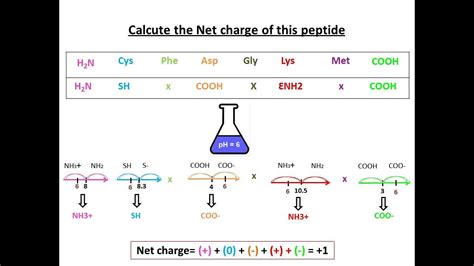
Pharma grade peptides exhibit specific molecular weights ranging from 200 to 5000 Daltons, depending on the sequence length. They appear as white to off-white lyophilized powders with characteristic solubility profiles in water, saline, or organic solvents. Each peptide carries a unique isoelectric point (pI) that influences its behavior in different pH environments.
Purity Specifications
- HPLC purity ≥98% with single peak analysis confirming absence of truncated sequences
- Mass spectrometry verification ensuring correct molecular weight within ±0.5 Da tolerance
- Amino acid analysis confirming sequence integrity and absence of racemization
- Residual solvent content below 500 ppm per ICH guidelines
- Endotoxin levels ≤0.5 EU/mg for injectable-grade applications
Solubility and Stability Parameters
Pharma grade peptides demonstrate predictable solubility in sterile water for injection (WFI) at concentrations between 1-10 mg/mL, depending on the specific peptide. Lyophilized powders maintain stability for 24-36 months when stored at -20°C in airtight, light-protected containers. Reconstituted solutions remain stable for 7-14 days at 2-8°C, with some formulations requiring immediate use after reconstitution.
Storage Requirements
Proper storage conditions directly impact peptide integrity. Pharma grade peptides must be stored in sealed vials under inert gas atmosphere, protected from moisture and light. Temperature fluctuations above -20°C accelerate degradation, while repeated freeze-thaw cycles reduce potency by 5-15% per cycle.
Industry data indicates that pharma grade peptides with ≥99% purity maintain 95%+ biological activity after 24 months of proper storage, compared to 70-80% activity retention for standard research-grade alternatives. This purity premium translates directly to formulation consistency and reduced batch failure rates in commercial applications.
Manufacturing & Quality Control
The production of pharma grade peptides follows strict Good Manufacturing Practice (GMP) guidelines, ensuring traceability and reproducibility across batches. The manufacturing process begins with solid-phase peptide synthesis (SPPS) using Fmoc chemistry, followed by cleavage, purification, and lyophilization.
Production Process
Each synthesis cycle involves sequential amino acid coupling, deprotection, and washing steps. Automated synthesizers control reaction parameters with precision, maintaining temperature at 25±2°C and coupling efficiency above 99.5%. After complete chain assembly, the peptide is cleaved from the resin using trifluoroacetic acid (TFA) cocktails, followed by cold ether precipitation.
Purification Methods
Crude peptides undergo preparative high-performance liquid chromatography (HPLC) using C18 reverse-phase columns. Gradient elution with acetonitrile-water systems separates target peptides from deletion sequences, truncation products, and other impurities. Final purity verification uses analytical HPLC with UV detection at 214 nm and 280 nm wavelengths.
Third-Party Testing
Reputable suppliers provide comprehensive certificates of analysis (CoA) from independent laboratories. These documents include HPLC chromatograms, mass spectrometry data, amino acid analysis results, and residual solvent reports. Third-party testing adds an additional layer of quality assurance for B2B buyers.
Certification Requirements
- GMP certification from recognized regulatory authorities
- ISO 9001:2015 quality management system compliance
- Certificate of Analysis (CoA) with batch-specific data
- Material Safety Data Sheet (MSDS) for handling guidelines
- Stability study reports covering 24-month accelerated conditions
Commercial Application Scenarios
Pharma grade peptides serve diverse B2B applications across cosmetic formulation, laboratory research, and bulk wholesale distribution. Each application requires specific purity levels and documentation for regulatory compliance.
Cosmetic Formulation
High-purity peptides function as active ingredients in anti-aging serums, moisturizers, and targeted treatment products. Cosmetic manufacturers require pharma grade peptides with documented purity profiles to support product claims and stability testing. Typical usage concentrations range from 0.1% to 5% in finished formulations, depending on the peptide type and desired effect.
Laboratory Research
Research institutions and biotechnology companies utilize pharma grade peptides for cell culture studies, receptor binding assays, and protein interaction experiments. Consistent purity ensures reproducible results across multiple experimental runs, reducing variability and improving data reliability.
Bulk Wholesale Usage
Distributors and contract manufacturers purchase pharma grade peptides in kilogram quantities for downstream processing. Bulk buyers require detailed batch documentation, stability data, and regulatory certificates to support their own quality systems and customer requirements.
pharma grade peptides VS Ordinary Low-Grade Peptides
| Item | Our Product (Pharma Grade) | Alternatives (Low-Grade) | Advantages |
|---|---|---|---|
| Purity Level | ≥98% HPLC | 70-90% crude | Higher formulation consistency |
| Endotoxin | ≤0.5 EU/mg | 5-50 EU/mg | Safer for sensitive applications |
| Batch Traceability | Full documentation | Limited or none | Regulatory compliance support |
| Stability | 24-month shelf life | 6-12 months | Reduced inventory waste |
Bulk Purchase Selection Guide
Selecting pharma grade peptides for wholesale requires careful evaluation of supplier capabilities, quality systems, and documentation practices. Common pitfalls include accepting incomplete certificates of analysis, ignoring endotoxin specifications, and failing to verify storage conditions during transit.
Common Pitfalls
Buyers often encounter suppliers offering research-grade peptides labeled as pharma grade without proper documentation. Others may accept purity claims without independent verification, leading to formulation failures and regulatory issues. Inadequate packaging during shipping can expose peptides to moisture and temperature fluctuations, compromising quality before receipt.
Selection Standards
Establish clear acceptance criteria for each peptide order, including minimum purity thresholds, endotoxin limits, and documentation requirements. Request samples for in-house testing before committing to large-volume purchases. Verify supplier certifications through third-party audits or regulatory databases.
Buyer Checklist
- Request complete CoA with HPLC chromatogram and mass spec data
- Verify GMP certification from recognized authority
- Confirm packaging specifications for temperature-controlled shipping
- Review stability data for intended storage conditions
- Establish quality agreement with supplier for ongoing compliance
Core Product Advantages
Pharma grade peptides from reputable suppliers offer distinct advantages over lower-grade alternatives, directly impacting formulation success and business operations.
Purity and Consistency
Consistent purity above 98% ensures predictable formulation behavior, reducing batch failures and rework costs. Each batch undergoes rigorous testing to confirm identity, purity, and potency, providing confidence in downstream applications.
Stability and Shelf Life
Extended stability profiles allow for longer inventory holding periods, reducing waste and improving supply chain efficiency. Properly stored pharma grade peptides maintain specifications for 24 months or more, supporting just-in-time manufacturing schedules.
Cost Performance
While pharma grade peptides carry a premium price compared to low-grade alternatives, the total cost of ownership is lower due to reduced failure rates, fewer quality investigations, and simplified regulatory submissions. Bulk purchasing agreements further improve cost efficiency for high-volume buyers.
Technical Support
Reputable suppliers provide technical documentation, formulation guidance, and regulatory support to assist buyers in achieving their quality objectives. This partnership approach reduces development timelines and accelerates time-to-market for new products.
Frequently Asked Questions
Q1: What is the minimum purity requirement for pharma grade peptides in cosmetic formulations?
Pharma grade peptides for cosmetic applications typically require minimum 98% purity by HPLC analysis. Some premium formulations demand 99% or higher purity to ensure consistent activity and minimize potential impurities that could affect product stability or safety. Always verify purity specifications with your supplier and request batch-specific certificates of analysis.
Q2: How should pharma grade peptides be stored to maintain their quality during bulk inventory?
Pharma grade peptides must be stored at -20°C in airtight, light-protected containers with desiccant to prevent moisture absorption. Bulk inventory should be maintained in temperature-monitored freezers with backup power systems. Avoid repeated freeze-thaw cycles by aliquoting peptides into single-use portions before freezing. Proper storage extends shelf life to 24 months or more.
Q3: What documentation should I request when purchasing pharma grade peptides for wholesale?
Request a complete Certificate of Analysis (CoA) including HPLC chromatogram, mass spectrometry data, amino acid analysis, residual solvent report, and endotoxin testing results. Additionally, obtain GMP certification, ISO 9001 documentation, Material Safety Data Sheet (MSDS), and stability study reports covering at least 24 months. Independent third-party testing reports provide additional quality assurance.