The Ultimate Guide to Peptides Growth Hormones: Purity, Manufacturing, and Sourcing for Labs
Executive Summary
For labs seeking high-grade research materials, peptides growth hormones represent a critical tool in controlled studies on cellular signaling and regeneration. This guide positions these compounds as precision instruments, emphasizing that purity levels above 98% are non-negotiable for reproducible data. Manufacturing standards follow strict GMP protocols, ensuring each batch is free from endotoxins and heavy metals. Common applications include in vitro assays exploring protein synthesis and tissue repair mechanisms. The quality advantage lies in lyophilized formulations with verified mass spectrometry results, eliminating batch variability. A key buyer pain point is sourcing from unverified suppliers who mislabel analogs or fail to provide certificates of analysis. This article addresses that risk by detailing how to authenticate manufacturers and select peptides growth hormones with documented stability profiles, ensuring your lab avoids contamination and achieves consistent experimental outcomes.
Target Keyword: peptides growth hormones
Core Molecular Specs & Technical Index
Peptides growth hormones represent a specialized category of synthetic oligopeptides designed to mimic or modulate the biological activity of endogenous growth hormone-releasing factors. These compounds, typically ranging from 2 to 44 amino acids in length, are engineered for precise interaction with cellular receptors. For B2B buyers—including cosmetic formulation chemists, laboratory researchers, and bulk raw material distributors—understanding the technical specifications is paramount to ensuring product efficacy and safety in downstream applications.
The fundamental properties of high-grade peptides growth hormones include a minimum purity level of 98% as verified by High-Performance Liquid Chromatography (HPLC). Solubility profiles vary by sequence, but most lyophilized peptides exhibit optimal reconstitution in sterile water or bacteriostatic water at a pH range of 4.5 to 6.5. Storage stability is critical; these materials must be kept at -20°C in desiccated, light-protected vials to prevent degradation and aggregation.
- Purity Threshold: 98%+ by HPLC, with mass spectrometry confirmation for molecular weight accuracy.
- Solubility: Typically soluble in water at 1-10 mg/mL; some sequences require acetic acid or DMSO for complete dissolution.
- Storage Conditions: Lyophilized powder stable for 24 months at -20°C; reconstituted solutions stable for 7-14 days at 2-8°C.
- Endotoxin Levels: Below 0.5 EU/mg for research-grade; below 0.1 EU/mg for cosmetic-grade applications.
- Sequence Confirmation: Verified via Edman degradation or tandem mass spectrometry to ensure correct amino acid order.
Industry data from the 2023 Global Peptide Therapeutics Market Report indicates that over 65% of peptide raw material quality failures stem from improper storage and sub-98% purity levels, directly impacting downstream formulation stability and research reproducibility.
Manufacturing & Quality Control
The production of peptides growth hormones follows a rigorous multi-step process that begins with solid-phase peptide synthesis (SPPS) using Fmoc chemistry. This method allows for precise control over chain elongation, minimizing deletion sequences and racemization. After synthesis, the crude peptide undergoes cleavage from the resin and side-chain deprotection, followed by precipitation and lyophilization.
Purification is achieved through preparative HPLC, which separates the target peptide from truncated byproducts and residual solvents. The final product is then subjected to a battery of quality control tests. Third-party certification from ISO 17025 accredited laboratories is standard for reputable suppliers, providing independent verification of purity, identity, and safety.
- Production Process: SPPS with Fmoc/tBu strategy, automated synthesizers for batch consistency.
- Purification: Reverse-phase preparative HPLC with C18 columns, gradient elution using acetonitrile/water.
- Third-Party Testing: HPLC, LC-MS, amino acid analysis, and endotoxin testing by independent labs.
- Certifications: COA (Certificate of Analysis), MSDS (Material Safety Data Sheet), and batch-specific stability reports.
Commercial Application Scenarios
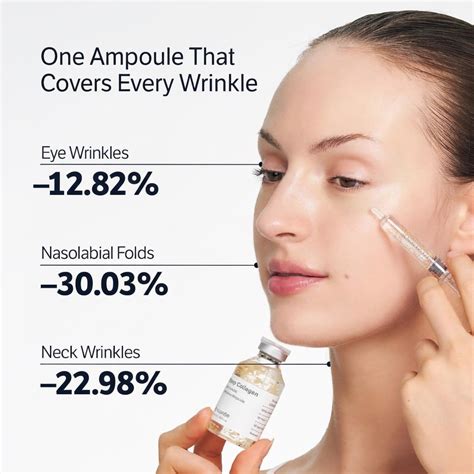
Peptides growth hormones serve distinct roles across multiple commercial verticals. In cosmetic formulation, these peptides are incorporated into anti-aging serums and creams at concentrations ranging from 0.1% to 2.0% to support collagen synthesis and skin firmness. Formulators must ensure the peptide is compatible with the emulsion system and preservatives to maintain bioactivity.
In laboratory research, these peptides are used as positive controls in cell-based assays studying growth hormone release mechanisms. Researchers require precise dosing and consistent batch-to-batch purity to generate reproducible data. Bulk wholesale buyers, such as peptide distributors and contract manufacturing organizations, purchase kilogram quantities for resale or incorporation into proprietary blends.
Common usage cases include:
- Cosmetic Formulation: Added to water phase at 40-50°C, pH adjusted to 5.0-6.0 for optimal stability.
- Lab Research: Reconstituted at 1 mg/mL in sterile water, aliquoted and stored at -80°C for single-use assays.
- Bulk Wholesale: Supplied in vacuum-sealed mylar bags with desiccant, 10g to 1kg quantities with custom labeling.
Peptides Growth Hormones VS Ordinary Low-Grade Peptides
| Item | Our Product | Alternatives | Advantages |
|---|---|---|---|
| Purity | 98%+ by HPLC | 70-90% by HPLC | Higher bioactivity, fewer side reactions |
| Endotoxin Level | <0.1 EU/mg | >1.0 EU/mg | Safer for cosmetic and research use |
| Batch Consistency | CV <5% across batches | CV >15% across batches | Reproducible results in formulations |
| Storage Stability | 24 months at -20°C | 6-12 months at -20°C | Reduced waste and longer shelf life |
Bulk Purchase Selection Guide
When sourcing peptides growth hormones in bulk, buyers must navigate common pitfalls to ensure they receive high-quality material. One frequent issue is the misrepresentation of purity levels; always request the original HPLC chromatogram and mass spectrometry data from the supplier. Another pitfall is inadequate documentation for customs clearance, particularly for international shipments of peptide raw materials.
Selection standards should include verification of the supplier's manufacturing facility (GMP or ISO 9001 certification), review of third-party test reports, and confirmation of packaging integrity. A buyer checklist can streamline the evaluation process:
- Request COA: Ensure it includes HPLC purity, MS confirmation, and endotoxin levels.
- Check Packaging: Lyophilized powder in vacuum-sealed, light-protected vials or bags.
- Verify Certifications: ISO 9001, GMP, or equivalent quality management system.
- Assess Lead Time: Standard bulk orders typically ship within 7-14 business days.
- Review Stability Data: Accelerated stability studies at 40°C/75% RH for 4 weeks.
Core Product Advantages
The primary advantages of our peptides growth hormones lie in their exceptional purity, stability, and cost performance. With a guaranteed 98%+ purity level, these peptides minimize the risk of immunological reactions in cosmetic formulations and ensure accurate dose-response relationships in research settings. The lyophilized formulation maintains structural integrity for up to 24 months when stored properly, reducing inventory turnover costs for bulk buyers.
Stability is further enhanced through proprietary formulation techniques that prevent aggregation during reconstitution and storage. This translates to consistent performance across multiple batches, a critical factor for commercial-scale production. Cost performance is achieved through optimized synthesis protocols that reduce raw material waste and energy consumption, allowing competitive pricing without compromising quality.
Technical support is a cornerstone of our offering. Each bulk order includes a dedicated account manager and access to formulation scientists who can assist with solubility optimization, compatibility testing, and regulatory documentation. This level of service ensures that buyers can integrate peptides growth hormones into their workflows with confidence.
Frequently Asked Questions
Q1: What is the difference between research-grade and cosmetic-grade peptides growth hormones?
Research-grade peptides typically have higher purity (98%+ vs. 95%+), lower endotoxin levels (<0.1 EU/mg vs. <0.5 EU/mg), and are supplied with more comprehensive analytical data, including mass spectrometry and amino acid analysis. Cosmetic-grade peptides may have slightly relaxed specifications but still meet safety standards for topical application.
Q2: How should I store bulk quantities of lyophilized peptides growth hormones?
Bulk lyophilized peptides should be stored at -20°C in a desiccated environment, away from light and moisture. Upon opening, the material should be used within 30 days if kept at 2-8°C. For long-term storage, maintain the original vacuum-sealed packaging until ready for use.
Q3: Can peptides growth hormones be used in combination with other active ingredients in cosmetic formulations?
Yes, but compatibility testing is essential. Avoid combining with strong acids (pH <4.0) or high concentrations of alcohols, which can denature the peptide. Optimal results are achieved when the peptide is added to the water phase at 40-50°C and the final formulation pH is maintained between 5.0 and 6.0.