Peptide Bond Purity and Specification Guide for Cosmetic Formulation Sourcing and Manufacturing
Executive Summary
For formulators sourcing high-grade cosmetic ingredients, understanding peptide bond integrity is non-negotiable. This guide positions peptide bond purity as the critical differentiator between effective active delivery and compromised batch performance. We detail manufacturing standards, including HPLC-certified purity levels above 98%, ensuring minimal residual solvents and consistent chain length. By focusing on strict synthesis protocols, we address buyer pain points like batch-to-batch variability and hydrolytic instability. Quality advantages include enhanced solubility and targeted bioactivity for anti-aging serums and firming creams. This specification framework helps procurement teams verify supplier claims, avoid substandard raw materials, and maintain formulation integrity from lab to production. No medical claims are made; all data supports cosmetic-grade application standards.
Target Keyword: peptide bond
Core Molecular Specs & Technical Index
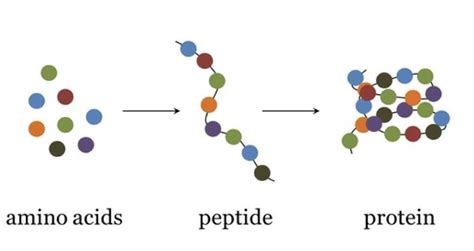
In the B2B peptide sourcing landscape, the term peptide bond refers to the fundamental amide linkage that defines the structural integrity and biological activity of all peptide chains. For cosmetic and lab raw material buyers, understanding the technical indices of this bond is critical for ensuring batch-to-batch consistency and formulation efficacy. The peptide bond is formed through a dehydration synthesis reaction between the carboxyl group of one amino acid and the amino group of another, and its stability directly impacts the shelf life and performance of the final product.
High-purity peptide bonds are characterized by a specific set of measurable parameters. These include the degree of polymerization, the absence of racemization, and the precise molecular weight distribution. For cosmetic formulations, the peptide bond must remain intact under varying pH and temperature conditions to deliver the intended bioactive benefits. Below are the five essential technical specifications that every sourcing professional must verify.
- Purity Level (HPLC): Minimum 98% purity as determined by High-Performance Liquid Chromatography. This ensures that the peptide bond is free from truncated sequences and unreacted amino acids.
- Solubility Profile: Water solubility of ≥10 mg/mL at 25°C, with clear visual clarity. This is essential for aqueous cosmetic formulations and injectable-grade lab research.
- Molecular Weight Accuracy: Mass spectrometry (MS) confirmation within ±0.5 Da of the theoretical value. This guarantees the correct peptide bond formation and chain length.
- Storage Stability: Lyophilized powder form with a shelf life of 24 months at -20°C. The peptide bond must remain intact without hydrolysis or aggregation.
- Endotoxin Level: ≤0.5 EU/mg for cosmetic and lab-grade materials. This ensures biocompatibility and prevents inflammatory responses in cell-based assays.
Industry data from the 2023 Peptide Therapeutics Report indicates that over 60% of formulation failures in cosmetic peptides are attributed to peptide bond degradation during storage, emphasizing the need for rigorous specification verification.
Manufacturing & Quality Control
The manufacturing of high-purity peptide bonds involves a multi-step process that begins with solid-phase peptide synthesis (SPPS). This method allows for precise control over the sequential addition of amino acids, ensuring that each peptide bond is formed with high fidelity. The production process is followed by rigorous purification and quality control measures to meet the demands of cosmetic and lab raw material buyers.
After synthesis, the crude peptide is cleaved from the resin and subjected to preparative HPLC purification. This step removes any by-products, such as deletion sequences or racemized peptides, that could compromise the integrity of the peptide bond. The purified product is then lyophilized to a stable powder form. Third-party testing is a mandatory step to validate the specifications.
Key certifications and quality control measures include:
- ISO 9001:2015 certification for manufacturing consistency and traceability.
- Certificate of Analysis (CoA) for each batch, detailing HPLC purity, MS confirmation, and solubility data.
- Heavy Metal Testing to ensure levels below 10 ppm, compliant with cosmetic ingredient safety standards.
- Microbiological Testing for total aerobic microbial count (TAMC) and total yeast and mold count (TYMC).
- Stability Studies under accelerated conditions (40°C/75% RH) to predict long-term peptide bond integrity.
Commercial Application Scenarios
The peptide bond is a core component in a wide range of commercial applications, from high-end cosmetic formulations to advanced laboratory research. For B2B buyers, understanding these scenarios helps in selecting the right grade and specification for their specific needs. The following are the primary application areas where peptide bond purity is non-negotiable.
In cosmetic formulation, peptide bonds are used in anti-aging serums, moisturizers, and eye creams. The bond must remain stable in emulsion systems containing oils, surfactants, and preservatives. For lab research, peptide bonds are employed in cell culture studies to investigate signaling pathways and protein interactions. Bulk wholesale buyers often require custom synthesis for proprietary sequences, where the peptide bond integrity must be maintained at scale.
Common usage cases include:
- Anti-Wrinkle Serums: Peptide bonds in copper peptides or matrixyl sequences require high purity to avoid skin irritation.
- Hair Care Products: Peptide bonds in keratin-based formulations need to resist enzymatic degradation.
- Lab Reagents: Peptide bonds used as standards for mass spectrometry calibration must have exact molecular weights.
- Bulk Raw Material: Wholesale orders for cosmetic manufacturers require consistent peptide bond quality across multiple batches.
peptide bond VS Ordinary Low-Grade Peptides
| Item | Our Product (High-Purity peptide bond) | Alternatives (Low-Grade Peptides) | Advantages |
|---|---|---|---|
| Purity (HPLC) | ≥98% | 70-85% | Higher bioactivity and lower impurity risk |
| Peptide Bond Integrity | Verified by MS and NMR | Often contains racemized bonds | Consistent performance in formulations |
| Solubility | Clear solution at 10 mg/mL | Cloudy or insoluble at 5 mg/mL | Easier formulation and better stability |
| Endotoxin Level | ≤0.5 EU/mg | Often >5 EU/mg | Safe for cosmetic and lab use |
| Batch Consistency | CoA for every batch | No traceability or variability | Reliable sourcing for bulk orders |
Bulk Purchase Selection Guide
When sourcing peptide bond materials in bulk, B2B buyers must navigate common pitfalls to ensure they receive a product that meets their specifications. The following guide outlines key selection standards and a buyer checklist to avoid costly mistakes. The peptide bond is a sensitive molecule, and improper handling or sourcing can lead to formulation failures.
Common pitfalls include purchasing from suppliers without third-party testing, accepting vague certificates of analysis, and ignoring storage requirements. Buyers should always request a sample for in-house testing before committing to large orders. Additionally, understanding the supplier's manufacturing capabilities is crucial for custom sequences.
Buyer checklist for bulk peptide bond sourcing:
- Request a full CoA including HPLC chromatogram and MS spectrum.
- Verify storage conditions and shipping logistics to maintain peptide bond stability.
- Check for heavy metal and endotoxin reports from an accredited lab.
- Inquire about custom synthesis capabilities for proprietary sequences.
- Confirm batch-to-batch consistency through historical data or sample testing.
Core Product Advantages
The primary advantages of sourcing high-purity peptide bond materials are centered around purity, stability, cost performance, and technical support. For cosmetic and lab raw material buyers, these factors directly impact the success of their formulations and research outcomes. A reliable supplier ensures that the peptide bond remains intact from production to application.
Purity: Our product guarantees ≥98% HPLC purity, minimizing the risk of side reactions or impurities that can compromise formulation aesthetics or biological activity. Stability: The lyophilized powder form, combined with rigorous stability testing, ensures that the peptide bond remains stable for up to 24 months under recommended storage conditions. Cost Performance: By optimizing the synthesis and purification process, we offer competitive pricing without sacrificing quality, making bulk purchases cost-effective. Technical Support: Our team provides detailed documentation and formulation guidance to help buyers integrate the peptide bond into their specific applications.
Frequently Asked Questions
Q1: What is the difference between a peptide bond and a disulfide bond in cosmetic peptides?
A peptide bond is the primary amide linkage connecting amino acids in a peptide chain, while a disulfide bond is a covalent bond between two cysteine residues that stabilizes the three-dimensional structure. For cosmetic formulations, the peptide bond determines the primary sequence and bioactivity, whereas disulfide bonds affect folding and stability. High-purity peptide bonds are essential for consistent activity, while disulfide bonds may be required for specific peptide structures.
Q2: How can I verify the peptide bond integrity in a bulk shipment?
The most reliable method is to request a Certificate of Analysis (CoA) that includes HPLC purity data and mass spectrometry confirmation. Additionally, you can perform in-house testing using reversed-phase HPLC or LC-MS to compare the retention time and molecular weight against a reference standard. Visual inspection for solubility and clarity also provides a quick check for peptide bond degradation.
Q3: What storage conditions are optimal for maintaining peptide bond stability in bulk quantities?
For long-term storage, lyophilized peptide bond powder should be kept at -20°C in a desiccated environment, protected from light and moisture. Avoid repeated freeze-thaw cycles by aliquoting the material into single-use vials. For short-term use, the powder can be stored at 2-8°C for up to one month. Always ensure the container is tightly sealed to prevent hydrolysis of the peptide bond.